Morocco is one of the finest birdwatching destinations in the region, precisely because it packs so many habitats into a short distance — Atlantic wetlands, high mountains, and true Sahara, all within a few hours’ drive. You can watch flamingos in the morning and hunt for desert specialists by afternoon. Here’s a beginner’s guide to where, when and what to look for.
Why Morocco is special for birds
Sitting on the migration highway between Europe and Africa, Morocco sees huge movements of birds in spring and autumn, plus resident species you won’t easily find elsewhere. A handful are the stars every visiting birder hopes for — among them the critically rare northern bald ibis and the desert-dwelling desert sparrow.
Top regions & what to look for
The Atlantic wetlands & coast
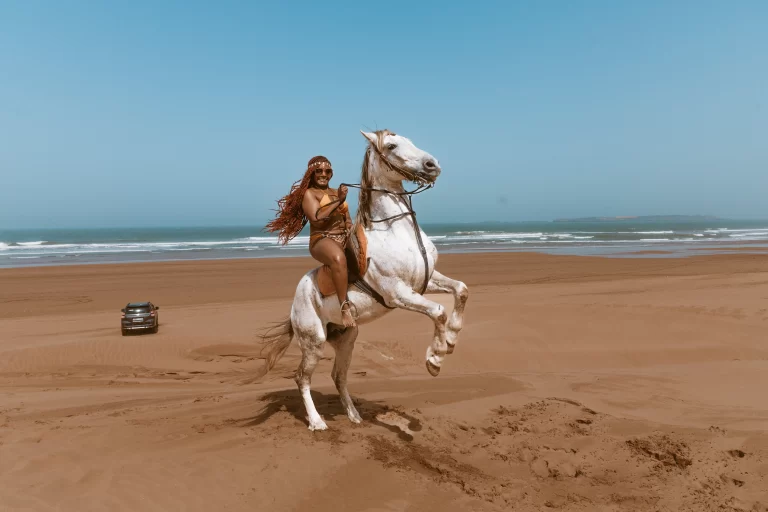
Lagoons and estuaries such as Merja Zerga and the Oued Massa / Souss-Massa area teem with greater flamingos, spoonbills, waders, terns and gulls. Souss-Massa is also the last stronghold of the northern bald ibis. Essaouira’s shore and offshore islets add Eleonora’s falcons in season.
The Sahara & Merzouga
The desert around Merzouga and Erg Chebbi is prime hunting ground for desert specialists: desert sparrow, cream-coloured courser, hoopoe lark, trumpeter finch, sandgrouse coming to water at dawn, and the little seasonal desert lake that can hold flamingos after rain.
The Atlas Mountains
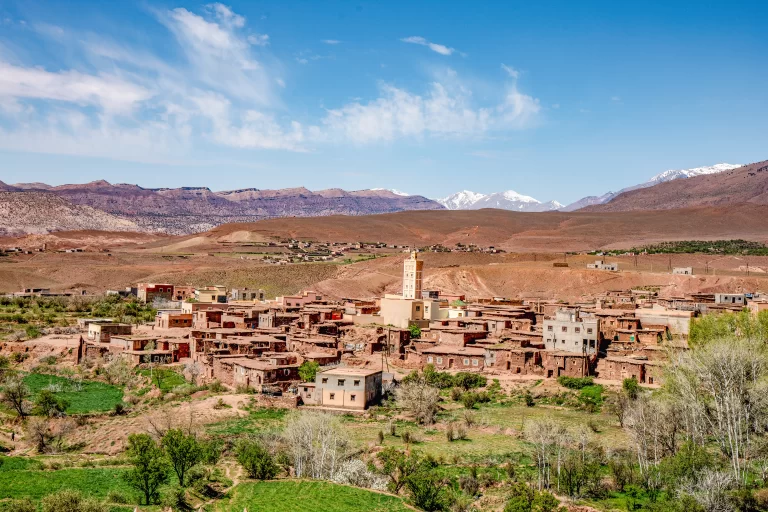
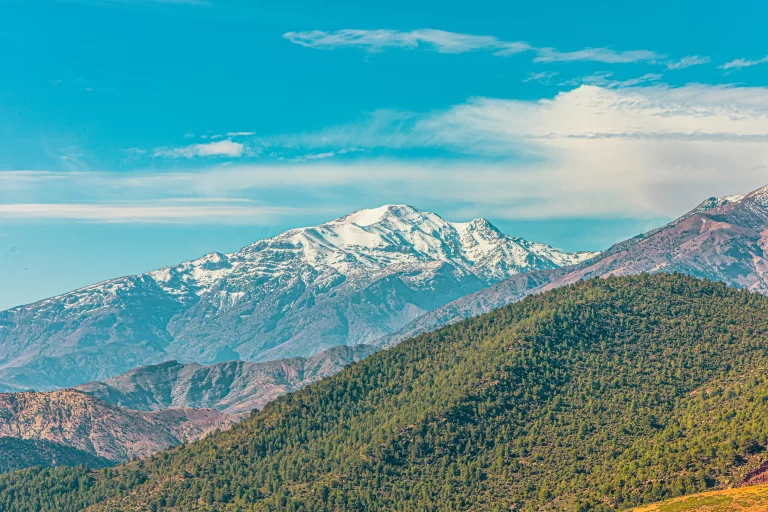
The High and Middle Atlas bring raptors and mountain birds — look for Moussier’s redstart (a bright north-west African speciality), crimson-winged finch, choughs, and eagles riding the thermals over the passes.
Best time to visit: Spring (March–May) is superb for migration and singing residents; autumn (September–October) is excellent too. Desert birding is best in the cooler months; wetlands are rewarding year-round.
Tips for a good day’s birding
- Start early. Dawn is the most active time, especially at desert water sources.
- Bring the kit: binoculars, a field guide to the birds of North Africa, sun protection and water.
- Go with a local. A driver-guide who knows the sites and the access tracks dramatically improves your list — many spots are off the main roads.
- Be patient and quiet around nests and roosts, and keep a respectful distance from rare species.
A birding-friendly route
A classic loop combines the Souss-Massa coast (bald ibis, flamingos) with the Sahara at Merzouga (desert species) and the Atlas passes (mountain birds) — three completely different worlds in one trip.
Keen to see Morocco’s birds? We can arrange dawn starts, the right sites and a driver who knows where to look — tell us your target species and we’ll plan around them.